
Self Leveling Epoxy Flooring: Applications and Site Requirements
Understand self leveling epoxy flooring, its difference from coatings, and the substrate, moisture, finish and curing checks needed before installation.
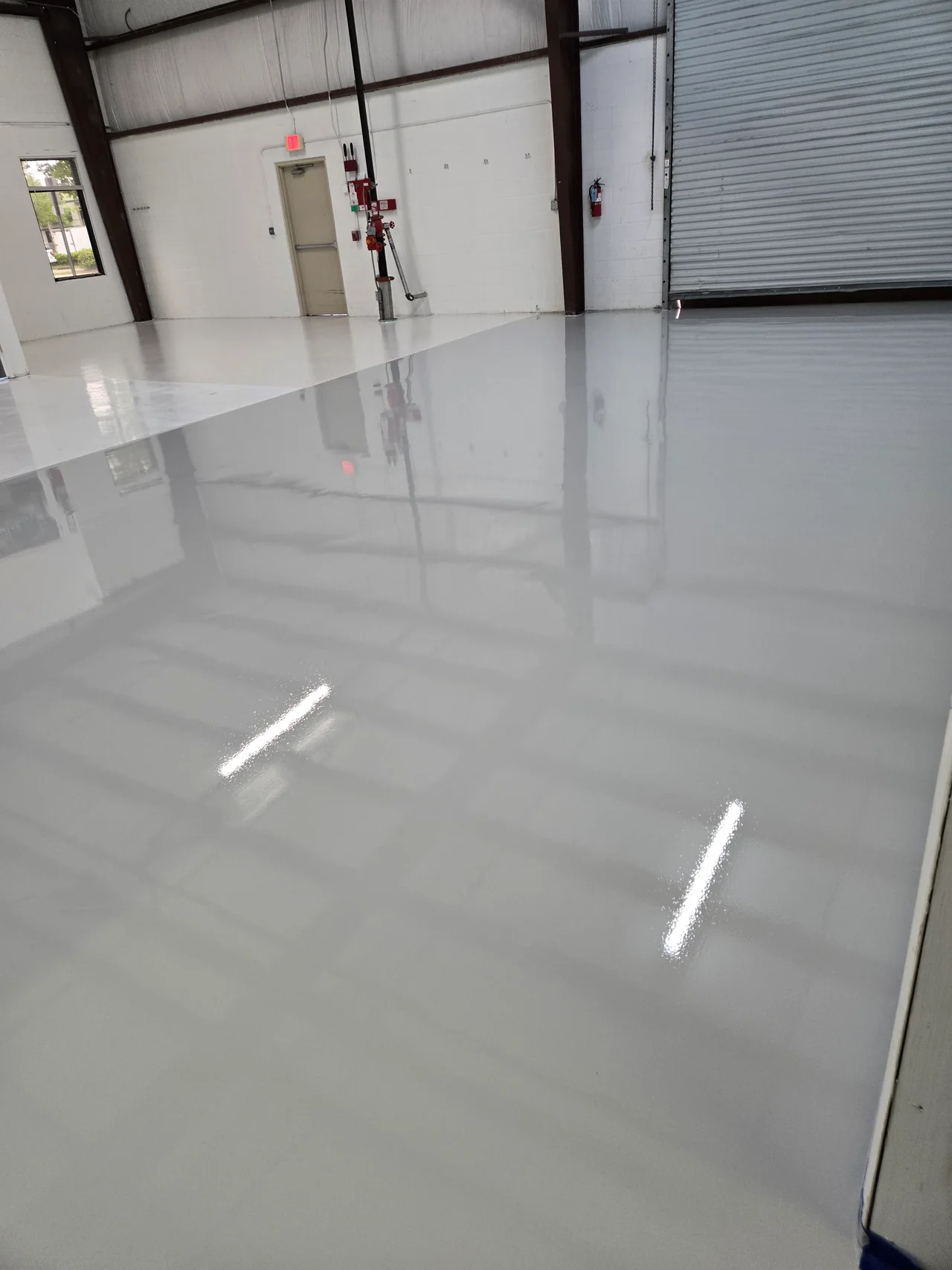
Table of Contents
What Self-Leveling Actually Means
Self leveling epoxy flooring is a flow-applied resin system designed to produce a smooth wearing layer over a suitable substrate. The term describes application behaviour, not unlimited slab correction. Deep hollows, existing falls and large deviations must be assessed before specifying the product and thickness.
Suitable Applications and Finish Requirements
Consider a smooth resin surface for production, laboratories, packing and commercial areas where cleanability matters. Check traffic, chemicals and cleaning before approval. Smoothness is not the same as slip resistance; frequently wet areas may require texture or another resin technology.
Preparation and Moisture Checks
Remove weak material and contamination, repair suitable static defects and verify the surface profile. Assess moisture using methods and limits relevant to the selected system. Prime as specified and review substrate air release to reduce pinholes. Do not apply over unsound or moving material just to improve appearance.
Control Mixing and Placement
Use correctly proportioned components and the specified mixing sequence. Plan batches around working time and ambient conditions. Check consumption, coverage and thickness rather than assuming flow guarantees uniformity. Record temperature and access arrangements, and prevent contamination during curing.
Compare the Alternatives
A coating may suit sound concrete needing a protective film. A self-smoothing floor provides a different resin build-up, while aggregate-filled screed addresses another combination of profile and duty. Ask Resin Kraft to compare these options against site condition, operating exposure and budget for the facility in India.
Related Services and References
- Self Leveling Epoxy Flooring
- Surface Preparation For Coatings
- Explore Resin Kraft service locations in India
- Published project portfolio
- Calculate an indicative flooring cost
- Request a site assessment and quotation
- Chemical Resistant Epoxy Flooring: Exposure and Selection Guide
- Anti-Skid Epoxy Flooring: Texture, Testing and Cleaning
Common Questions
Does self-leveling epoxy fill deep depressions?
Major or deep deviations normally need a separate levelling or repair specification.
Can it be installed over damp concrete?
Only where the complete system is approved for the measured moisture condition.
Is the smooth finish automatically anti-skid?
No. Assess traction under the actual contamination and operating conditions.
What information is needed for a site assessment?
Share the facility location in India, area, photographs, slab history, traffic, cleaning and chemicals. Include the available work and curing window.
How should system thickness be selected?
Use actual operating duty, substrate conditions and manufacturer guidance. Thickness alone does not establish performance.
Should concrete moisture be checked?
Use the method and limits required by the selected system. Surface appearance alone is insufficient.
When can the floor reopen?
Agree separate return-to-service conditions for pedestrians, vehicles, cleaning and chemicals using system data and site temperature.
What should a written quotation include?
Preparation, repairs, layers, thickness, joint details, quantities, taxes, exclusions and handover conditions should be identified.
Which maintenance records should be retained?
Keep compatible cleaner guidance, equipment recommendations, inspection responsibilities and repair procedures.
How can I discuss this project with Resin Kraft?
Use the Contact page with your location, area and operating details to discuss an assessment and quotation.