
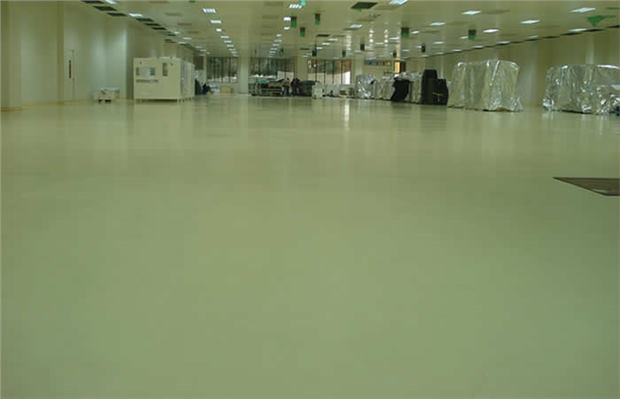
Food and Beverage Industry

Food Processing Flooring

Food plants need floors that resist water, cleaning chemicals, temperature changes, impact and hygiene risks without slowing production.

Site Inspection System Specification Professional Installation
Food-grade flooring for processing and wash-down areas
Industry Flooring
Industry Challenges

Flooring Problems Resin Kraft Solves for Food and Beverage Industry

Food processing flooring for wet process areas, wash-down zones, kitchens, packing areas and beverage plants using food-grade PU and epoxy systems.

01

Wet floors and frequent wash-down cleaning

02

Thermal shock from hot water or cold rooms

03

Slip risk around process and utility areas

04

Oil, fat, sugar and cleaning chemical exposure

Recommended Systems

Flooring Systems for Food Processing Flooring

Each system is selected after reviewing floor area, traffic, substrate condition, chemicals, hygiene, moisture and shutdown time.

Benefits

Why Industrial Teams Choose Resin Kraft

Hygienic seamless finish

Specified with practical site use, cleaning routines, traffic load and long-term maintenance in mind.

Better slip resistance in wet areas

Specified with practical site use, cleaning routines, traffic load and long-term maintenance in mind.

Thermal shock resistance with PU concrete

Specified with practical site use, cleaning routines, traffic load and long-term maintenance in mind.

Durable surface for trolleys and process movement

Specified with practical site use, cleaning routines, traffic load and long-term maintenance in mind.

Case Studies

Practical Flooring Scenarios

Examples of how Resin Kraft approaches real project requirements without over-specifying the floor.

Wet processing area

A food production floor required wash-down resistance and slip control. Resin Kraft recommended a textured PU concrete system for wet service.

Packing hall floor

A dry packing area needed dust-free movement and easier cleaning. A smooth epoxy system was specified after surface preparation.

FAQ

Food Processing Flooring FAQs

Which flooring is best for food processing plants?

PU concrete and food-grade epoxy systems are commonly used depending on wet use, heat, traffic and cleaning methods.

Is PU flooring better than epoxy for food factories?

PU is often preferred for wet, hot-water and thermal shock areas, while epoxy can work well in dry process and packing zones.

Can food processing flooring be anti-skid?

Yes. Texture can be adjusted for wet areas, ramps and safety-critical zones.

Does the floor resist cleaning chemicals?

The system is selected after reviewing cleaning chemicals, concentration, temperature and exposure time.

Can you install flooring in running plants?

Work can often be phased around production shutdowns, access and curing requirements.

Is cove skirting required?

Cove skirting is recommended in hygiene-sensitive areas to improve cleanability at wall-floor joints.

How do you handle damaged concrete?

Cracks, weak concrete and joints are repaired before primer and coating application.

Do you provide flooring for commercial kitchens?

Yes. Commercial kitchens can use anti-skid PU or epoxy systems based on heat, oil and wash-down needs.

Ready to upgrade your flooring?

Get a quick consultation, compare systems, or chat with Resin Kraft on WhatsApp.