
How Epoxy Primer Improves Floor Adhesion and Service Life
Informational guide to Epoxy Primer for Floors for epoxy and PU flooring projects, covering site checks, system selection, installation risks, maintenance an.
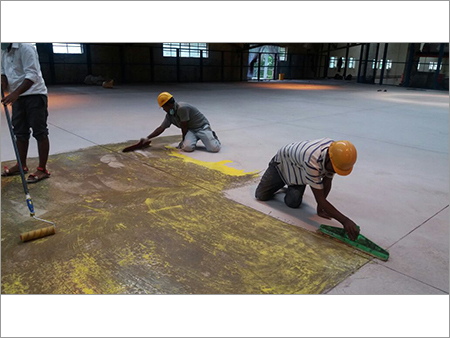
Table of Contents
What Epoxy Primer for Floors Means
Epoxy Primer for Floors is an important topic when factories, warehouses and commercial buildings compare epoxy flooring, PU flooring and other resin flooring systems. The right decision depends on how the floor will be used, cleaned and maintained after installation.
Where It Matters Most
For most projects, Resin Kraft starts with a site review. The team checks factories, warehouses, production areas, workshops, commercial floors and industrial plants and studies substrate strength, moisture, cracks, traffic load, chemical exposure and shutdown window before recommending epoxy floor coating, self-leveling epoxy, epoxy screed and PU flooring where required. This prevents over-specification and also avoids weak systems in demanding zones.
Site Checks Before Selection
A common mistake is choosing a floor only by price per square foot. Epoxy and PU flooring performance depends on surface preparation, primer selection, coating thickness, curing conditions, drainage details and traffic patterns.
Epoxy and PU Flooring Options
The practical advantage of the right system is durable surface protection, easier cleaning, better safety and longer concrete slab life. Good flooring planning also reduces downtime because installation stages, curing windows and access routes are discussed before work starts.
Maintenance and Cost Planning
Facility managers should keep floor photographs, area measurements, load details, cleaning chemicals and production schedules ready before requesting a quotation. These details help Resin Kraft provide a more accurate flooring recommendation.
Common Questions
What is Epoxy Primer for Floors?
Epoxy Primer for Floors is a flooring topic related to choosing, installing or maintaining epoxy and PU flooring systems for industrial or commercial use.
Is epoxy flooring suitable for factories?
Yes. Epoxy flooring is suitable for many factories when the concrete is prepared correctly and the system thickness matches the traffic, load and chemical exposure.
When is PU flooring better than epoxy?
PU flooring is often preferred for wet areas, food processing, cold storage, thermal shock zones and areas exposed to frequent hot water cleaning.
What affects epoxy and PU flooring cost?
Cost depends on area, substrate condition, surface preparation, primer, thickness, number of coats, coving, anti-skid finish, line marking and site location.
How long does resin flooring installation take?
Small areas may be completed quickly, but industrial projects depend on surface preparation, repairs, coating layers, curing time and plant shutdown windows.
Can epoxy or PU flooring be installed over old concrete?
Yes, if the concrete is sound. The slab may need grinding, crack repair, moisture checks, oil removal and primer selection before coating.
How do I maintain epoxy and PU floors?
Use approved cleaners, avoid harsh solvents unless specified, clean spills quickly, protect impact zones and inspect joints, drains and high-traffic aisles regularly.
Does resin flooring need anti-skid texture?
Anti-skid texture is recommended for ramps, wet areas, kitchens, loading zones and places where oil, water or dust may reduce grip.
Can Resin Kraft inspect my floor before quotation?
Yes. Resin Kraft can review floor area, concrete condition, traffic, chemicals, moisture and downtime needs before recommending epoxy or PU flooring.
What details should I share for Epoxy Primer for Floors?
Share floor area, location, photos, current floor condition, traffic type, cleaning method, chemical exposure and expected installation timeline.