How to Choose the Right Industrial Flooring Contractor
A practical B2B guide to How to Choose the Right Industrial Flooring Contractor for business owners, procurement teams, architects, consultants and project managers, covering specifications, installation decisions, cost factors and long-term floor performance.
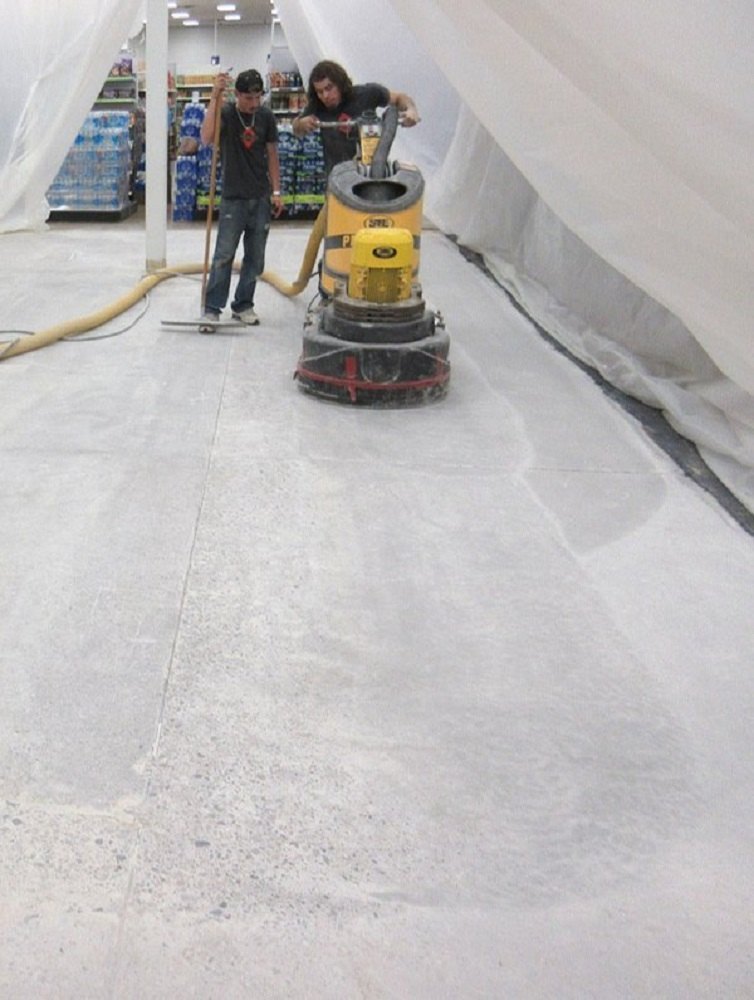
Table of Contents
Why This Topic Matters for Industrial Facilities
For B2B projects, How to Choose the Right Industrial Flooring Contractor is not only a surface finish. It affects safety, cleaning time, production movement, audit readiness and the life of the concrete slab. Industrial flooring contractor selection should be selected around traffic load, substrate condition, chemicals, moisture, temperature and available shutdown time.
Specification Points to Check Before Installation
In new projects, floor renovation, factory upgrades, warehouse expansions and commercial flooring decisions, the right system normally includes surface preparation, crack treatment, primer selection, coating thickness, texture control and a topcoat suited to daily operations. This is where an experienced industrial flooring contractor can prevent common failures such as peeling, dusting, cracking, slippery surfaces and early wear.
Cost, Downtime and Contractor Selection
Procurement teams should compare more than price. Ask about material grade, floor preparation method, curing time, warranty terms, maintenance requirements, slip resistance, chemical resistance and previous experience in similar facilities. A cheaper system can become expensive if it creates downtime or repeated repairs.
Resin Kraft Recommendation
Resin Kraft works with business owners, procurement teams, architects, consultants and project managers to recommend epoxy flooring, PU flooring, ESD flooring, chemical-resistant flooring, heavy-duty flooring, floor repair and waterproofing systems based on real site usage. The best result comes from matching the system to the process, not forcing one coating into every area.
Common Questions
Is this topic relevant for industrial and commercial facilities?
Yes, when the system is selected after checking traffic, chemicals, moisture, hygiene requirements and substrate condition. Resin Kraft recommends the specification after site assessment.
How can a business get an accurate flooring quotation?
Share your floor area, location, industry, current floor condition and expected usage. A site inspection helps finalize system thickness, surface preparation and cost.
Which flooring system gives the best long-term value?
The best value comes from matching the floor to operations. Epoxy is strong for dry industrial use, PU is better for wet or thermal shock areas, and specialized systems are used for ESD, hygiene or chemical exposure.