
Choosing the Right Resin Flooring System
How to select epoxy or PU flooring based on usage, load, chemicals, temperature, and hygiene needs.
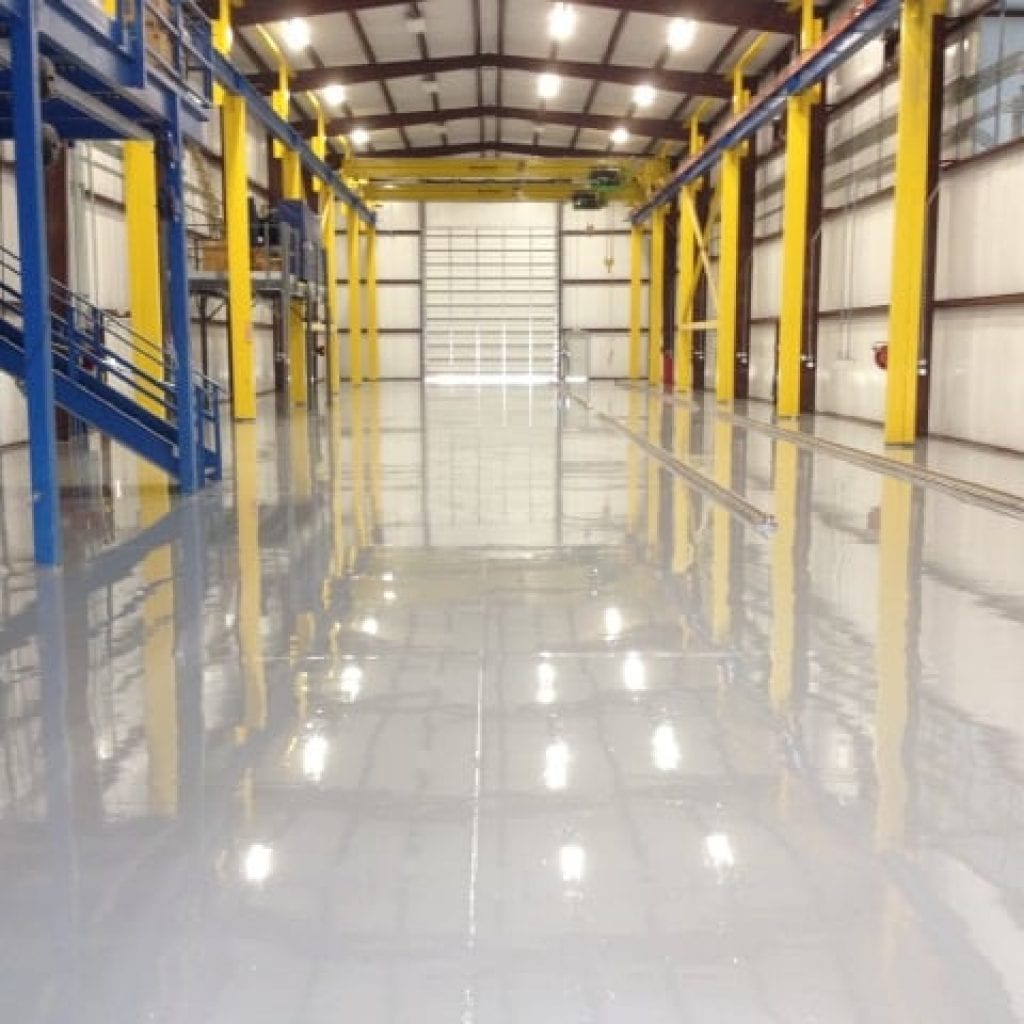
Table of Contents
Overview
The right resin floor starts with the environment. A warehouse floor needs abrasion and load resistance, while a pharma or food facility also needs hygiene, chemical resistance, and easy cleaning.
Key Considerations
Epoxy flooring is a strong choice for warehouses, production areas, showrooms, and parking spaces where durability and a smooth finish are important. PU flooring is preferred when thermal shock, moisture, impact, or food-grade performance are major requirements.
Expert Recommendation
Before finalizing a system, check substrate condition, traffic type, cleaning method, exposure to oils or chemicals, temperature variation, and available shutdown time. These details decide the primer, screed, coating thickness, and topcoat.
Common Questions
Is epoxy or PU better for factories?
Epoxy is excellent for many factory floors, but PU is better where thermal movement, moisture, or food-grade conditions are important.
How thick should resin flooring be?
The required thickness depends on traffic, substrate condition, and load. Light-duty coatings can be thinner, while heavy-duty areas need thicker screed or multi-layer systems.
Can resin flooring be installed with low downtime?
Yes. With proper planning, sections can be phased to reduce shutdown time and keep operations moving.